
The textile industry is undergoing a profound transformation. In the last decade, consumers have become more aware of the environmental impact of fashion, while regulators and institutions have focused on one of the most polluting and waste-generating sectors in the world. In this context, the European Union has taken a decisive step: the Digital Product Passport (DPP).
From 2026, clothing and footwear must incorporate a verifiable digital record that collects key information about their manufacture, composition, use of materials, and possibilities for recycling or reuse. This is not just another label, but a true instrument of traceability and transparency, destined to revolutionize the way we understand, produce, and consume fashion.
In this article, we will explore how the DPP will impact the textile sector, what the main challenges are, and what opportunities it opens in terms of circularity and trust.
The Challenge of traceability in fashion
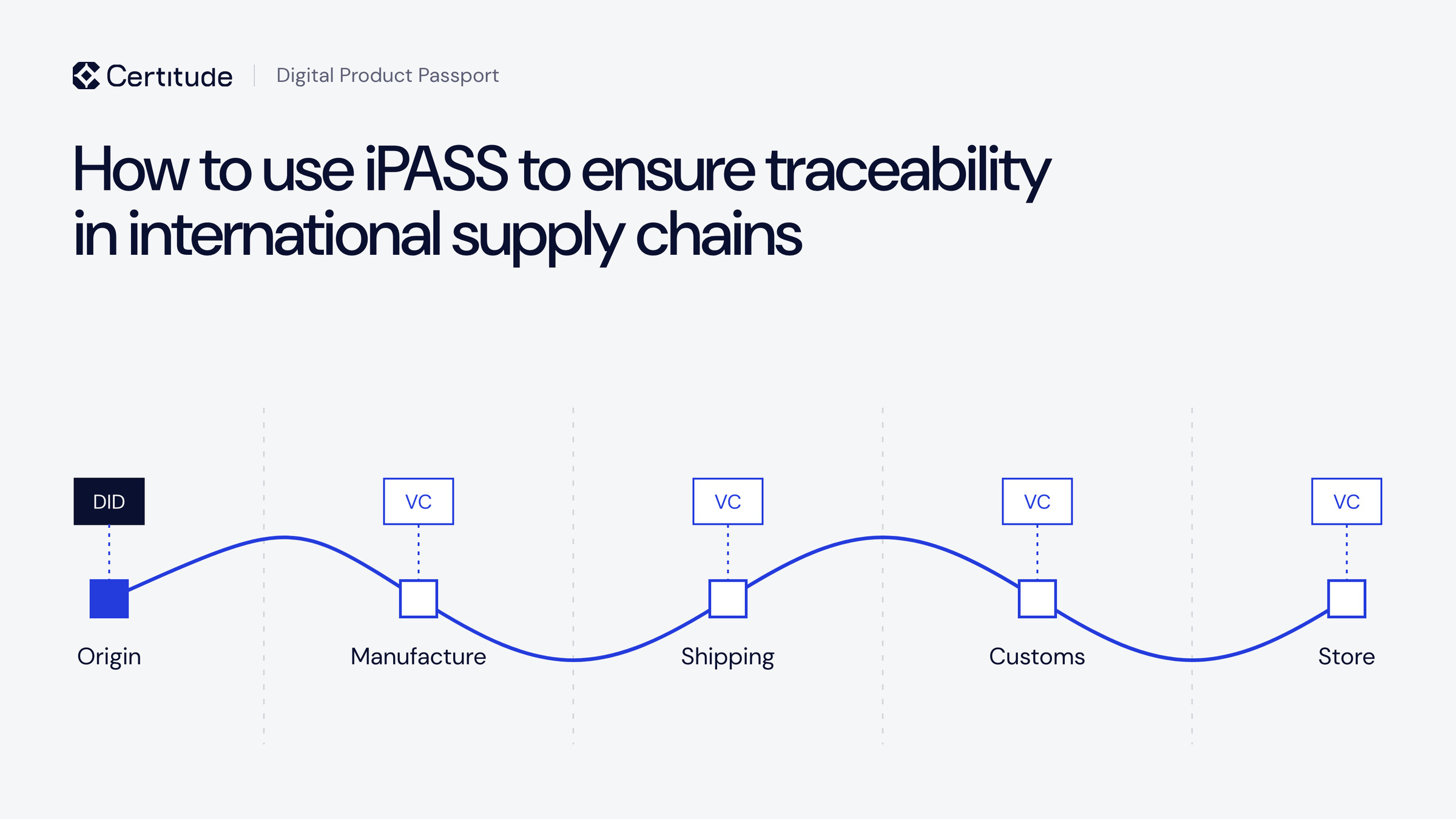
The textile value chain is one of the most complex and globalized in existence: cotton grown in one country, dyed in another, manufactured in a third, and distributed worldwide. This mosaic of processes makes it very difficult to guarantee complete traceability of a garment.
Until now, the information available to the consumer was limited to labels with the composition and origin of the product, often insufficient or even unreliable. The DPP radically changes the landscape by requiring each garment or pair of shoes to have a unique and interoperable digital record, accessible to consumers, distributors, and authorities.
This record will allow:
- Knowing what materials have been used and where they come from.
- Knowing what processes have been followed in the manufacturing (for example, if sustainable dyes or renewable energies have been used).
- Verifying the environmental footprint associated with the product.
- Facilitating end-of-life management, indicating options for recycling, reuse, or material recovery.
Traceability will no longer be an option, but a mandatory requirement to operate in the European market.
Reuse and circular economy: From waste to resource
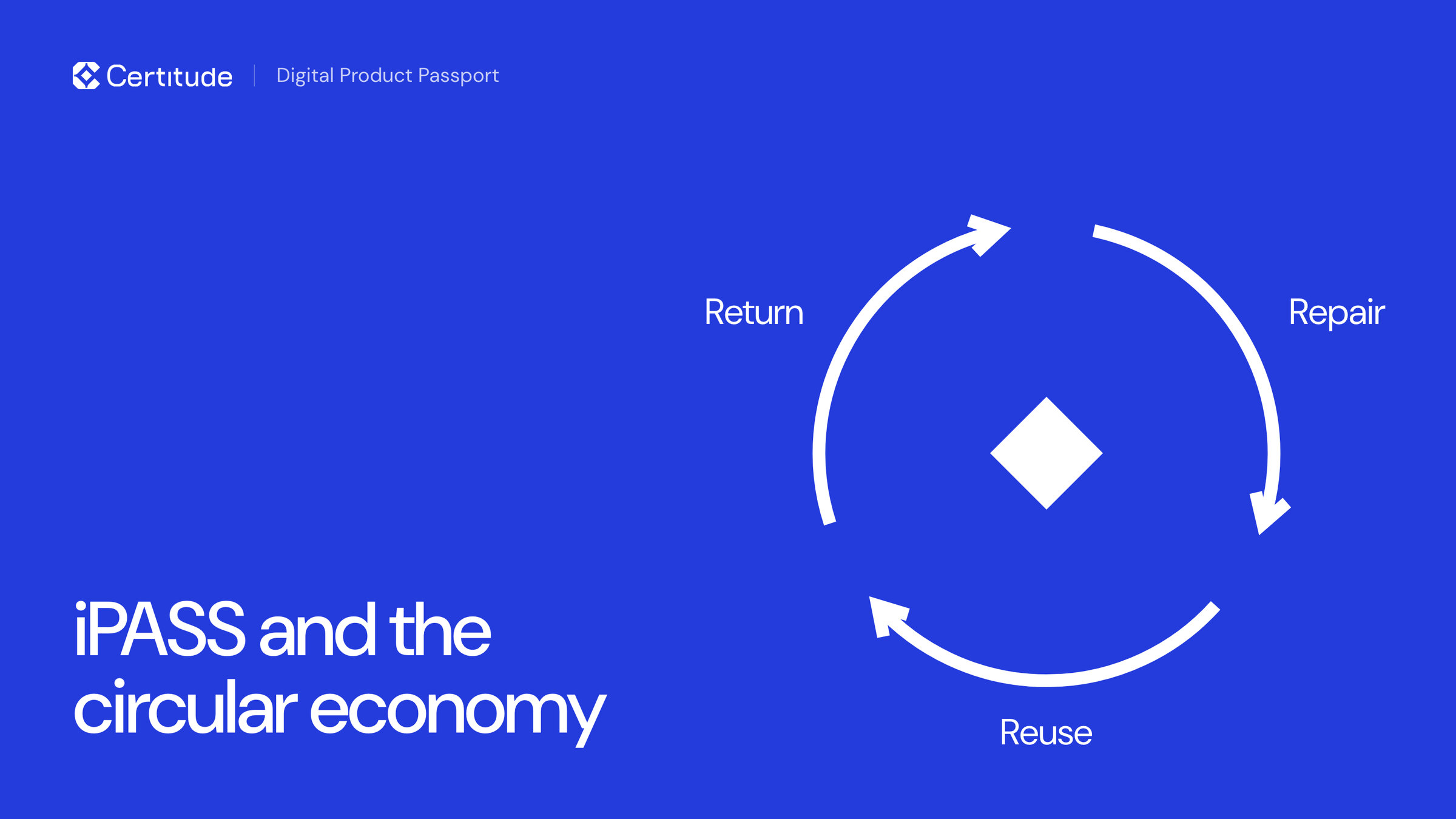
One of the major objectives of the DPP is to accelerate the transition from a linear model (“produce–use–dispose”) to a circular one, in which garments have multiple useful lives.
Currently, more than 70% of textile waste in Europe ends up in landfills or incinerators. The DPP will allow each garment to carry the necessary instructions to reintroduce it into the value chain:
- Direct reuse: facilitate the buying and selling of second-hand items or donation, with reliable information about the garment.
- Repair: include data on how to repair zippers, buttons, or seams.
- Recycling: detail the exact composition to separate fibers and materials, which is crucial in mixtures of cotton, polyester, or elastane.
- Energy recovery: ultimately, know how to use the waste responsibly.
The structured and verifiable information required by the DPP will open the door to new business models: brands that offer repair services, digital second-hand platforms with integrated traceability, or recyclers capable of recovering materials more efficiently.
Impact on brands and manufacturers
The implementation of the DPP represents a profound change in the way textile companies manage their information and processes. Some of the main impacts will be:
- Data digitization: companies must collect, standardize, and publish detailed information about each garment.
- Integration into the supply chain: all actors, from fiber suppliers to distributors, must share data in a common format.
- Investments in technology: robust digital solutions will be needed to manage this information, from product management systems to blockchain platforms.
- New competitiveness metrics: sustainability and transparency will become key differentiating factors compared to price or design.
For many companies, this will represent an initial challenge, but also an opportunity to gain relevance in a market that is increasingly demanding in terms of environmental responsibility.
Benefits for the consumer
The DPP will not only transform the industry from within, but will also have a direct impact on the end consumer. Thanks to this digital passport, anyone can:
- Scan a code and know the complete history of their garment.
- Compare options with sustainability and durability criteria.
- Make more informed and responsible purchasing decisions.
- Trust that the information comes from verified sources and not from simple marketing statements.
In short, the DPP turns the consumer into an active player in the circular economy, empowered with reliable and accessible data.
The role of blockchain technology in the DPP
One of the key questions is: how to ensure that all this information is reliable and not manipulable? This is where blockchain technology comes into play.
At iCommunity, we are developing iPASS, a system that combines blockchain with verifiable credentials, ensuring that the data recorded in the digital passport of each garment is immutable, auditable, and accessible by any interested party. Blockchain provides:
- Security: prevents falsifications or subsequent alterations.
- Decentralized trust: does not depend on a single intermediary.
- Interoperability: adapts to international standards.
In this way, the DPP does not remain just another digital document, but becomes a true source of trust between manufacturers, distributors, consumers, and regulators.
Challenges for implementation
Although the advantages are clear, we cannot ignore the challenges involved in adopting the DPP in the textile sector:
- Initial cost: digitizing processes and collecting information can be costly for SMEs.
- Complexity of the supply chain: many garments travel thousands of kilometers and multiple countries before reaching the consumer.
- Need for common standards: all actors must speak the same “digital language”.
- Consumer education: it will be necessary to promote the understanding and use of the DPP in daily purchases.
Despite these challenges, the direction is clear: the DPP is a key piece of the European strategy for sustainability, and its adoption will be inevitable.
Opportunities for the future
Far from being just a regulatory obligation, the DPP opens up very interesting opportunities for the textile sector:
- New circular business models: clothing rental, digital second-hand, fiber recycling, etc.
- Greater customer loyalty: by offering transparency, brands generate trust and reputation.
- Access to green financing: companies that adopt the DPP will be able to access funds and incentives linked to sustainability.
- Innovation in materials: digital tracking will encourage the use of recycled or biodegradable fibers.
The DPP, well implemented, can be an engine of innovation and competitiveness.
The Digital Product Passport in the textile sector is not only a regulatory measure, it is a lever for change towards a more sustainable, transparent, and circular model. From 2026, garments and footwear must carry a verifiable digital record that ensures their traceability, promotes reuse, and facilitates their management at the end of their useful life.
At iCommunity we believe that tools like iPASS will be essential to accompany companies in this process, turning the obligation into an opportunity to innovate and lead.
The future of fashion involves being digital, circular, and transparent, and the DPP will be key to making it a reality.